
 Ailia Mira – Heyyyy, Amazing Ones — It’s day 482 of these intense Aries and Eclipse Energies. Just kidding. But not. Just. Wow.
Staying present with ourselves, while pacing according to our needs for rest, movement, regular life demands and doing energy and light work to as needed (to connect with our Divine Self and expand our grounding; clear what’s dissolving; call in more light to empower our clarity and the best possible mood as well as embody more of All That We Are)… it’s A LOT. And still? Amazing breakthroughs are happening. Continue reading
 Oliva Wilson – In sustainable living, closed-loop systems are increasingly recognized as the gold standard, and gardening is no exception. Surprisingly, despite its profound benefits, many gardeners have not prioritized establishing a closed-loop system in their
 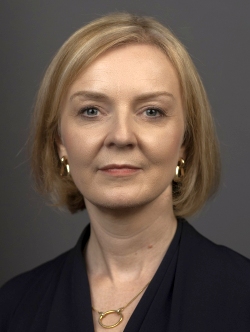 Sean Adl-Tabatabai – According to Truss, the Deep State is working behind the scenes to sabotage Trump’s second term in the White House.
 Jim Hoft – Harvard Law School Professor and Constitutional lawyer Alan Dershowitz joined Sean Hannity on Tuesday along with Gregg Jarrett to discuss the current Alvin Bragg lawfare case in New York City against President Donald Trump.
 Steve Rother – Greetings from Home.