
Wake Up World March 11 2014
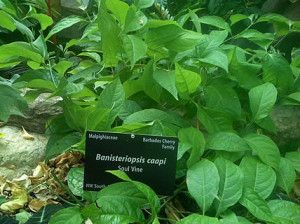 Banisteriopsis caapi, also known as ayahuasca, caapi or yaje, is a South American jungle vine used to prepare a decoction with a long history of entheogenic uses as a medicine and “plant teacher” among the indigenous peoples of the Amazon Rainforest. It has unique properties found to treat Parkinson’s disease and other neurogenerative disorders.
B.caapi contains harmine, harmaline, and tetrahydroharmine, all of which are both beta-carboline harmala alkaloids and Monoamine oxidase inhibitors (MAOIs). The MAOIs in B. caapi allow the primary psychoactive compound, DMT (which is introduced from the other primary ingredient in ayahausca, the Psychotria viridis plant), to be orally active.
The name ayahuasca means “vine of the soul”and the shamans of the indigenous western Amazonian tribes use the plant in religious and healing ceremonies. In addition to its hallucinogenic properties, caapi is used for its healing properties as a purgative, effectively cleansing the body of parasites and helping the digestive tract.
Harmala alkaloids are short term yet powerful MAOIs which render tryptamines orally active by temporarily reducing levels of monoamine oxidase in the body which otherwise rapidly destroys them. Their effects are more powerful and less toxic than pharmaceutical SSRIs since they do not lead to suicidal tendencies and other side effects which detrimentally affect human behavior.
The principal ayahuasca compounds have a common indole structure which, through several mechanisms, influences certain functions of the central nervous system (CNS). The relevant factor is the biochemical similarity of these compounds to the neurotransmitter serotonin (5-HT). The harmala alkaloids in ayahuasca, primarily harmine and tetrahydroharmine, reversibly inhibit the neuronal enzyme monoamine oxidase (MAO).
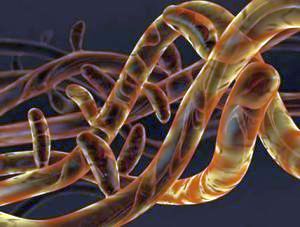 Metal toxicants entering the part of the brain that deals with stress and panic have been linked to disorders dealing with the central nervous system. Increasing evidence indicates that damage to the locus ceruleus (LC), is present in a wide range of neurodegenerative diseases including demyelinating and psychiatric disorders.