
 Mark A. Hewitt – Rarely is there a discussion of under what authority a male can compete physically with females. World-class tennis champion Martina Navratilova says “transgender women” (men) are “cheating” if they compete in women’s sports. What is the authority whereby a male can legally use the shower or restroom facilities or dressing rooms set aside for females? The problem is that there isn’t a law or an authority, but rather the absence of terms used to describe mental disorders, specifically sexual disorders.
For decades, transgenderism and gender identity disorder had been classified as mental disorders by the American Psychiatric Association (APA) in that organization’s Diagnostic and Statistical Manual of Mental Disorders (DSM). The DSM evolved from systems for collecting census and psychiatric hospital statistics and from a United States Army manual on mental illnesses. Revisions since its first publication in 1952 have incrementally added to the total number of mental disorders and removed those no longer considered mental illnesses. Continue reading
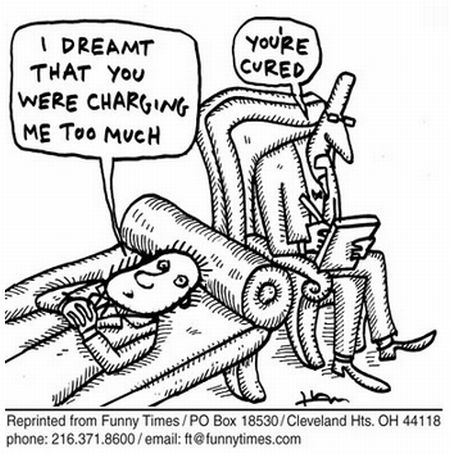
 Unlike in conventional medicine where objective diagnoses and treatments are made based on observable biological evidence, psychiatrists get together every so often to decide what should or should not be considered a “mental illness.” And they do not always agree, as evidenced by the more than 13,000 professionals from around the world who recently signed an open letter demanding that the upcoming edition of the psychiatry industry’s “diagnostic manual” be put on hold and reconsidered.