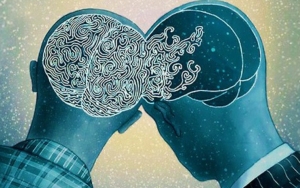

The Awakened Empath: Embracing Healing and Stillness

What Does It Mean to Be an Empath from a Spiritual Perspective?

What Does It Mean to Be an Empath from a Spiritual Perspective?Frank M. Wanderer, Ph.D. – Empathy is not merely a psychological trait but a fine-tuned sensitivity to a broader reality. An empath doesn’t just feel for others — they feel through others, absorbing emotions, unspoken energies, and subtle vibrations.

In a spiritual context, empaths are often referred to as gatekeepers or “energy receivers.” They sense what is invisible to others: the hidden layers of truth, suffering, joy, or resonance. This sensitivity can seem both a burden and a gift.

Without awareness, an empath can become overwhelmed, yet with conscious development, this trait becomes a pathway to wisdom and presence. Continue reading

The 5 Main Types of Empaths: Strengths and Challenges

Empaths and Their Unique Gifts

Discover the 5 Core Types of Empaths and Their Unique GiftsFrank M. Wanderer PhD – Empathy is the ability to step into another person’s emotions, thoughts, or even physical states. While every human being possesses a certain level of empathic sensitivity, some people experience others’ realities with such intensity that it deeply affects them. These individuals are called empathetic people, or simply, empaths.

However, not all empaths are the same — their sensitivity manifests in different areas, which allows us to categorize them into five main types.

1. Energy Empath

Key Trait: Sensitivity to environmental energies

Energy empaths are especially sensitive to the energy or “vibe” of a space or group of people. When they enter a room, they can immediately sense the atmosphere — as if the walls themselves were speaking. A tense office, a crowded shopping mall, or the silence after an argument can feel overwhelming to them, even if they don’t know exactly what happened. Continue reading

Revealed: The Complex Brain Mechanisms Behind Empathy

Revealed: The Complex Brain Mechanisms Behind EmpathyLily Anderson – Have you ever felt an emotional connection to someone else’s pain or suffering, experiencing their feelings as if they were your own? This experience is known as empathy, a vital component of human social interaction.

Empathy allows us to understand and respond to others’ emotional experiences, promoting positive social connections and relationships. However, the science behind empathy is complex and multifaceted. This article will explore the neuroscience of empathy, examining the brain mechanisms and processes involved in this crucial human experience. Continue reading

Ways to Build Self-Empathy And Stop Beating Yourself Up

 Ways to Build Self-Empathy And Stop Beating Yourself UpJudith Orloff, MD – How you treat yourself profoundly affects your health and well-being.

What is self-empathy? Why can it seem so elusive when it is so good for us? It often seems so much easier to have empathy with others than yourself.

Self-empathy is a commitment to be caring rather than shaming or punishing yourself, especially if you’ve made a mistake. Maybe your first impulse is to push too hard or get impatient with your progress. Or you might beat yourself up for falling short at work or when communicating with a loved one. Or you are too quick to hate or blame yourself.

Continue reading

The Richness Of Each Moment

The Richness Of Each Moment
Photo: Quino Al

The Angels – During a given day, you have thousands of moments in which you can appreciate life’s simple pleasures. In a single second or at a single glance, you have countless things to focus on.

Suppose you are drinking coffee with a friend. In a single second, you might appreciate the aroma of your beverage, evoking feelings of warmth or well-being. You could look deep into your friend’s eyes and notice their concern, evoking feelings of compassion. You might see the logo on your cup for the first time, evoking a sense of appreciation, curiosity, and wonder within you.

Continue reading